
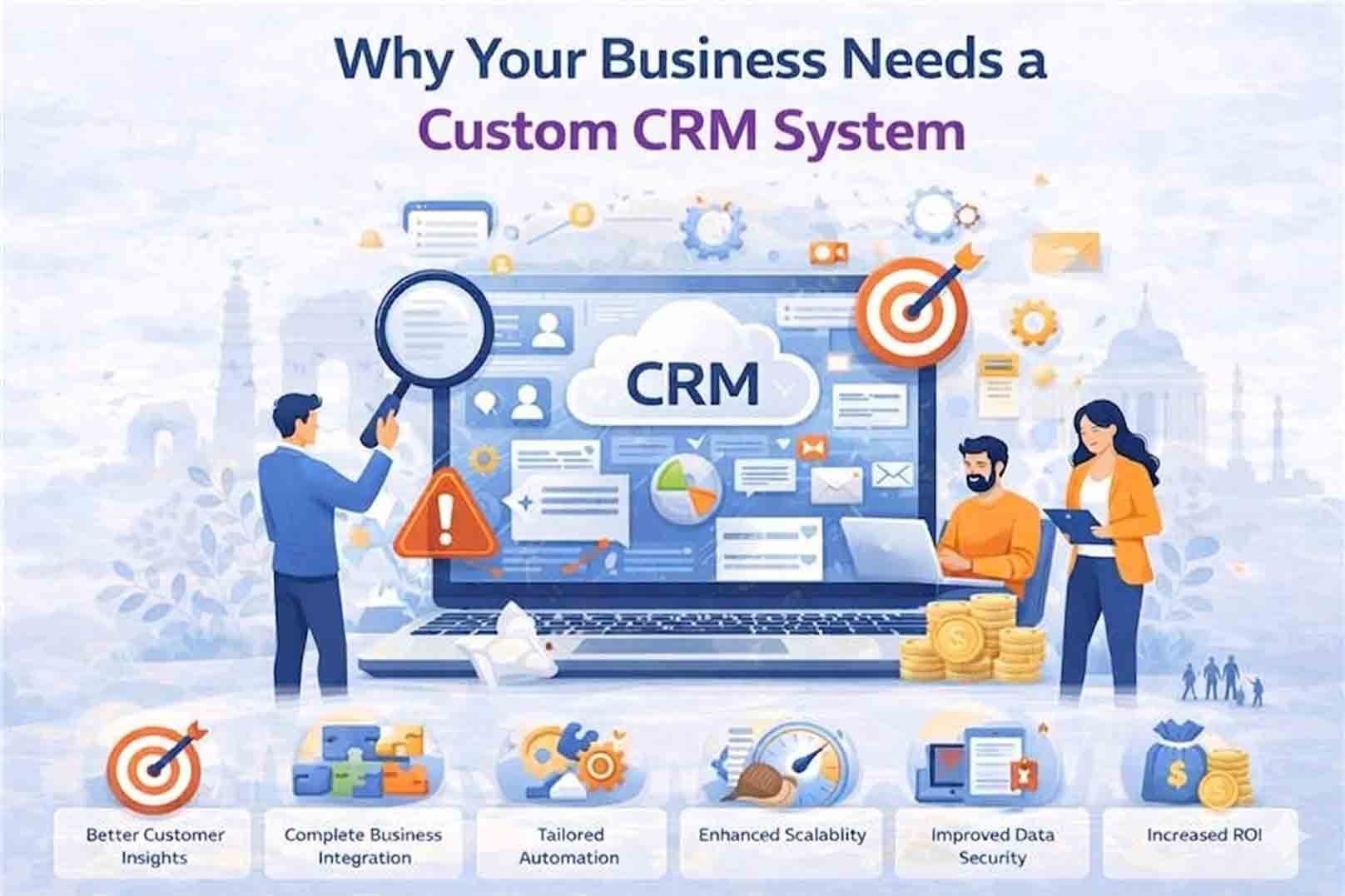
In today’s competitive business environment, managing customer relationships effectively is no longer optional; it’s essential. As businesses grow, handling leads, customer interactions, follow-ups, and sales activities manually becomes increasingly difficult. This is where a Customer Relationship Management (CRM) system can make a significant difference.
A CRM platform helps businesses organize customer data, streamline sales processes, and improve team productivity, all from a centralized system. Whether you’re a startup, small business, or growing enterprise, the right CRM can help you scale more efficiently and build stronger customer relationships.
1. What is a CRM System?
A CRM system is a software solution designed to help businesses manage interactions with customers and prospects. It stores customer information, tracks communication history, manages sales opportunities, and provides insights that help teams make better decisions.
Instead of relying on spreadsheets, scattered notes, or multiple tools, a CRM keeps everything organized in one place.
Benefits of Using a CRM System
1. Better Lead Management
Leads often come from multiple channels such as websites, social media, referrals, and marketing campaigns. A CRM helps you capture, organize, and track every lead throughout the sales journey, ensuring no opportunity is missed.
2. Improved Customer Relationships
Having complete customer information readily available allows teams to provide personalized experiences. Businesses can respond faster, understand customer needs better, and build long-term relationships.
3. Increased Team Productivity
Manual tasks such as follow-up reminders, lead assignments, and activity tracking consume valuable time. CRM automation reduces repetitive work, allowing teams to focus on closing deals and serving customers.
4. Better Sales Visibility
A visual sales pipeline gives businesses a clear understanding of where every opportunity stands. Managers can track progress, identify bottlenecks, and forecast revenue more accurately.
5. Data-Driven Decision Making
CRM dashboards and reports provide valuable insights into sales performance, customer behavior, and team productivity. These insights help businesses make informed decisions and improve overall efficiency.
3. Why Growing Businesses Need a CRM More Than Ever
As customer expectations continue to rise, businesses must deliver faster responses, personalized communication, and seamless experiences. Without a CRM, managing these expectations becomes challenging.
A CRM not only improves internal operations but also enhances the customer experience by ensuring every interaction is tracked, organized, and actionable.
4. Choosing the Right CRM
When selecting a CRM, businesses should look for:
- Ease of use
- Affordable pricing
- Automation capabilities
- Mobile accessibility
- Reporting and analytics
- Scalability for future growth
- Reliable customer support
The best CRM is one that fits your business processes while remaining simple enough for teams to adopt quickly.
5. How DOSO CRM Helps Businesses Grow
DOSO CRM is designed to simplify customer management for businesses of all sizes. With features such as lead management, sales pipeline tracking, contact management, workflow automation, and real-time reporting, DOSO CRM helps teams stay organized and productive.
Its intuitive interface, affordable pricing, and scalable architecture make it an ideal solution for growing businesses looking to improve customer relationships and drive revenue growth.
A CRM is one of the highest-return tools a small business can adopt. It costs little, takes an afternoon to set up, and pays you back in saved time and saved sales every single week. With Doso CRM, getting started is genuinely simple.